Thursday, 30 October 2014

The Rich Diversity And History Of Indian Cuisine


South Indian Cuisine

Considered as one of the world's most diverse cuisine, Indian cuisine is truly varied and diverse. The food dishes from this country is characterized by the sophisticated use of spices, vegetables, grains and spices. Also, each region has a wide and comprehensive collection of dishes and cooking techniques that are unique to their own state and area. India's religious and ethical beliefs have also played an important part in the overall growth and development of its cuisine. As vegetarianism is an integral part of many religious sects and beliefs, this is widely reflected in the cuisine of the country as well. 

Over the years, India has been subject to a number of invasions. All this immigration and intermingling of cultures through the decade but obviously impacted the cooking technique and culinary culture of the country. Many recipes can be traced back to the initial Vedic period where a normal diet consisted of items like vegetables, fruits, meat, dairy products and honey. As this was a predominantly Hindu period, the concept of ahimsa was prevalent which forbade the killing of animals. So a lot of the diet in this period was vegetarian in nature, a concept that was reinforced with the advent of Buddhism as well. As time passed, invasions from Central Asia, Arabia, the Mughal empire, and Persia, had a fundamental effect on Indian cooking. The Islamic conquest of medieval India introduced many new fruits such as apricots, melons, peaches, and plums to the Indian cooking.

This conquest also meant the beginning of a new range of non-vegetarian dishes like rich gravies, pilafs and non-vegetarian fare such as kebabs, giving rise to Mughlai cuisine (Mughal in origin). As the Mughals were big patrons of cooking, cooking techniques and recipes reached a new high during this period with lavish dishes were prepared during the reigns of Mughal rulers especially Jahangir and Shah Jahan. It was during this period that there was a blending of Mughlai and Telangana cuisines in the kitchens of the Nizams who were the historic rulers of Hyderabad state. This resulted in the creation of Hyderabadi biryani, a traditional celebratory meal made using goat meat, basmati rice, yoghurt, onions, and spices. Further, India's diverse climate which range from tropical to cold has made a wide range of ingredients easily available to all cooking enthusiasts. This has resulted in a range of cooking flavors, techniques and dishes that today form an integral part of Indian cuisine.

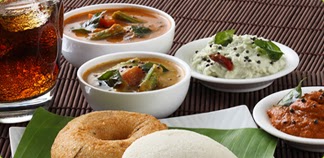
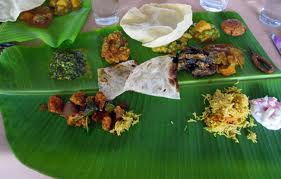
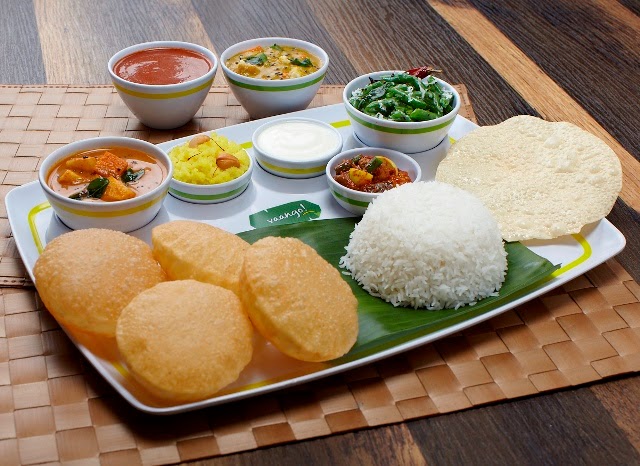
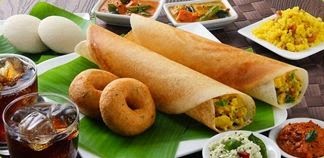
Indian cuisine is divided into four integral divisions namely North, East, West and South. The cuisine of North India has a predominance of dairy products like milk, paneer, ghee and yoghurt. Most of the dishes of this regions are gravy-based and some of the staple food include a variety of lentils, vegetables, and roti (wheat based bread). Further, Mughlai cuisine forms an integral part of the food habits of this region. The East of India is popular for its sweets and deserts like sandesh, rasgulla, chhena gaja among many others. These dishes are now popular in many other parts of the country as well. Over all Bengali cuisine is balanced and some popular dishes include rice, pantabhat, doi-chirey, doodh-muree and fish. The menu of South Indian cuisine is marked by a greater emphasis on rice as the staple grain and the liberal use of coconut, particularly coconut oil and curry leaves. Some of the popular dishes include different variations of sambar and rasam, a variety of pickles, dosa, poori, idli, vada, bonda and bajji. 

These dishes from South India form a major crux of their cuisines and are today popular in many South Indian food restaurant as well. South Indian food is also extremely diverse and rich with some dishes like the dosa gaining popularity all over the world. Today, the popularity of dosa is such that there are many dosa restaurants that have opened up all across the country in order to cater to the growing demand. The western part of India comprises of three food groups namely Gujarati, Maharashtrian and Goan. There are two main types of Maharashtrian cuisine, defined by geographical divisions. The coastal regions consume more rice, coconut, and fish while the the hilly regions of the Western Ghats and Deccan plateau consume more of jowar and bajra. On the other hand, Goan food is a amalgamation of various types of sea food which forms the crux of their cuisine. 

Gujarati cuisine is predominantly vegetarian and many of their dishes have a hint of sweetness due to the usage of sugar. And lastly, food from the North East is very different from that of other parts of India. North Eastern cuisine is strongly influenced by neighboring Burma and the China, and therefore their dishes uses very little of Indian spices and techniques.

Over all Indian cuisines is extremely rich, diverse and comprehensive. With such a lot of influences and patronage by different rulers, Indian cuisines is extremely popular and well-know in many regions around the world. With dishes that suit different palates, Indian cuisine has something to offer to everyone. 

Source: http://goarticles.com/article/The-Rich-Diversity-And-History-Of-Indian-Cuisine/9576205/

Monday, 27 October 2014

The History and Evolution of South Indian Cuisine

                        South Indian Cuisine Menu 

The cuisine of South India is extremely diverse and is well-known for its light, low-calorie appetizing meals. Traditional South Indian cuisine is mainly rice based and there are many dishes like dosas, vadas and uttampams that are made by mixing rice with lentils. Considered as extremely healthy, South Indian food is a perfect blend of flavor, color, taste and nutrition. In other words, South Indian food comprises of dishes from four major states including Andhra Pradesh, Karnataka, Kerala and Tamil Nadu. So while there is a common thread running through the dishes from all these regions, they differ in terms of preparation and spice content.     

                          south Indian Food  

Cuisine of Andhra Pradesh: Food from Andhra Pradesh is extremely spicy because of the generous use of chili powder and tamarind. Andhra Pradesh cuisine has three different variations based on region. As the Telangana region is closer to some regions of Maharashtra, there are certain influences from this region. Jowar and Bajra roti are common and is widely consumed in this region. As the Rayalaseema district shares borders with eastern Karnataka and Tamil Nadu, their influence cannot be undermined. The regions that are closer to the coastline, but obviously have a rich variety of sea food as well In addition, Hyderabad (capital of the city) has its own distinctive cuisine which is different from other areas. Here the Nizams influence the cuisine to a great degree and dishes like Hyderabadi biryani have achieved cult status not only in the region but around the world. 

                    South Indian Cuisine Menu  
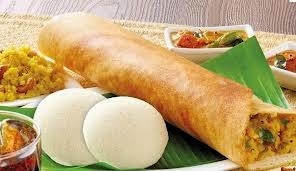
Cuisine of Karnataka: As this state has a higher percentage of vegetarians, most of the dishes in this region are vegetarian in nature. The mildest among all South Indian Food, chilli powder is used sparingly in all the dishes. On the other hand dishes in these region makes liberal use of palm sugar or brown sugar. In addition, Udupi food is an integral part of the cuisine from this region. Udupi Hotels are extremely popular in many regions of North India and the menu of this restaurant is greatly influenced by the cuisine of Karnataka. The famous masala dosa traces its origin to Udupi cuisine and was subsequently popularized by Udupi restaurants.   


                         South Indian Breakfast Menu
Cuisine of Kerala: Many of the food items of Kerala cuisine are made using coconut which is found in abundance all over the state. As this region is extremely popular for its backwaters, Kerala is a paradise for seafood lovers who come here from all over the world. Some of the popular dishes from this region include aviyal, olan, shrimp coconut curry, fish poriyal among others. 


                    South Indian Dishes  

Cuisine of Tamil Nadu: A typical Tamil meal consists of both spicy and non-spicy dishes. Except for Brahmins and a couple of non-Brahmin castes, Tamils eat more non-vegetarian food. In Tamilian cuisine, food is classified into six tastes namely sweet, sour, salt, bitter, pungent and astringent. Traditional Tamil cuisine recommends that one must include all of these six tastes in each main meal. Each taste has a balancing ability and including some of each provides complete nutrition, minimizes cravings and balances the appetite and digestion. 

Today, South Indian cuisines is extremely popular not just in India but on the global stage as well. This is proved by the growing popularity of South Indian based restaurants that are today offering a wide variety of South Indian dishes based on authentic taste and flavor. In other words, today South Indian cuisine is enjoyed by people all over the world and the popularity of this cuisine is only set to increase in the future as well. 

Source: http://goarticles.com/article/The-History-and-Evolution-of-South-Indian-Cuisine/9553648/

Sunday, 26 October 2014

South Indian Food: A Delight For Vegetarians

                           South Indian Food Menu
 
Good food is the basis for a healthy life. Everything we eat impacts our mind and body in diverse ways. A quality diet that is rich in all types of minerals and proteins is therefore the main way to stay fit and healthy for longer duration. In addition, there are many ways in which an individual can stay healthy from consulting nutritionist to good diet to regular exercise.

Here are some reasons why a vegetarian diet is the best way to attain a healthy mind and body.

Health: This is the most important reason why you must adopt a vegetarian diet. Meat consists of very high levels of high saturated fat and cholesterol which can causes a lot of heart problems. Moreover it is a proven fat that except for b-complex, meat does not contain any significant vitamins. So it is always a good idea to lower your meat intake and increase vegetables and fruits in order to ensure a more balanced and healthy diet.

Environment: Adopting a vegetarian diet is good for the environment. Today, environmental issues like greenhouse emissions are causing large-scale damage to the planet. It is a known fact that the greenhouse effect and fossil fuels are increased due to the creation of meat. In addition, livestocks lead to the destruction of forests which are natural filters for air supply. Forests are destroyed in order to create more land for livestocks. In other words, adopting a vegetarian diet will go a long way in saving the environment and planet.

Two other important reasons why adopting vegetarianism is a good idea is because it because it prevents killing of animals who have a equal right to life. Secondly, adopting vegetarianism results in more savings as a vegetarian diet is more economical in comparison with non-vegetarian diet.

Vegetarianism has always been an integral part of Indian cuisines. That is why there are so many restaurants throughout the country that specializes in vegetarian dishes that are healthy, tasty and nutritious. South Indian Vegetarian dining restaurants are today an integral part of the culture and lifestyle of many cities including Delhi, NOIDA and Gurgoan. These cities have over the past few years seen a growing influx of people from all over the country who come here in search of a proper job and education. That is why Delhi is considered as the melting pot of various cultures and traditions. This in turn has lead to the establishment of a number of food joints and restaurants that specialize in a variety of cuisines and food cultures that are now an integral part of the culture and lifestyle of the city.

Delhi, along with its NCR namely Gurgoan and NOIDA are now home to some of the best South Indian restaurants which serve authentic South Indian cuisines that are extremely delicious, tasty and healthy. Further, these restaurants are now gaining immense popularity not just within North India but on a global stage as well. In addition, as these restaurants offers customers numerous facilities like trained service, amazing interiors and authentic cuisine, they are the ideal place for customers to meet their family and friends. In other words, the growing popularity of restaurants based on South Indian cuisine is valid proof that this cuisine is being appreciated by people across the state who want to enjoy their meals in a modern yet contemporary manner.

For more details about South Indian Cuisine Menu visit http://www.vaango.in/

Monday, 29 September 2014

South Indian Cuisine: An Important Part Of Indian Cuisine


South Indian Cuisine Menu

Considered as one of the most diverse cuisines in the world, Indian cuisine is dominated by the use of spices, vegetable, grains and fruits that are grown in abundance all over the country. The cuisine of each region is different and unique; encompassing a wide range of cooking techniques and dishes of various flavors and taste. This diversity in cooking truly represents the ethnic and cultural diversity of the country. In addition, India's religious beliefs and culture has also impacted the nature and type of cuisine at every stage. For example as vegetarianism is popular among many Hinduism Buddhist and Jain communities, vegetarian dishes are immensely popular throughout the country as well. 

Today, Indian cuisines is considered as one of the most popular cuisine in the world. It is today enjoyed by not just Indian people but also by people across North America, Europe, Australia and Africa. Because of extensive immigration and intermingling of cultures, Indian cuisines has been influenced by various elements. Additionally, the diverse climate of India which ranges from tropical to alpine, has provided people with a wide range of ingredients to enhance and improve their cooking styles and techniques. Based on the region, Indian cuisine is divided into North, South, East and West. 

South Indian cuisines is based on dishes from Andra Pradesh, Tamil Nadu, Kerala and Karnataka. Dishes from Tamil Nadu, particularly idlis, dosas, sambar and vada has today become immensely popular not just in India but in the entire world as well. Besides these immensely popular classic dishes, South Indian cuisines offers a number of other extravagant and popular dishes as well. Almost all the food items of this region is dominated by generous amount of spices and coconuts that are grown across all the four states. The final tempering with oil, mustard seeds, curry leaves, dried red chillies and urad dal is almost constant for all the dishes in this region. In Kerala, the Malabar coast has become synonymous with its use of spices that even lured many foreign invaders like the Dutch, french and English. Cardamom, black pepper, cinnamon, cloves and nutmeg are just some of the few spices that are found in abundance in South India. The cuisine from Andra Pradesh on the other hand was deeply influenced by the Mughal rule and is known for their spiciness and hotness. The kebabs and biryanis of this region have today achieved cult status around the world.

The growing popularity of these South Indian dishes have led to the rise of many prominent South Indian Restaurant on both the national and global scale. These restaurants are based on the most authentic South Indian cuisines and are aimed at helping people taste and discover various dishes within this diverse cuisine. In addition, the menu of of these South Indian restaurants are diverse and they have a wide variety of meals and snacks for customers at almost any time of the day. This makes South Indian restaurant, the ideal place for family and friends to come together and share a meal in a modern and contemporary environment.

For more details about South Indian Cuisine Menu visit http://www.vaango.in/

Friday, 26 September 2014

Vegetarian Dishes: An Integral Aspect Of South Indian Cuisines

South Indian Cuisine Menu


Vegetarianism is today becoming immensely popular among various sections and communities of people. This can be due to a number of reasons from the need to preserve Earth's natural resources to animal lovers who are ethically opposed to eating them. So why is it a good idea to adopt vegetarism? First and foremost there is an abudance of scientific research that proves that there are various health and environmental benefits of adopting a vegetarian diet. According to studies, an estimated 70 per cent of all diseases including one-third of all cancer are completely dependent on diet. According to a study conducted by the Loma Linda University, vegetarians live almost seven years longer, and vegans almost fifteen years longer, than meat eaters. 

This is because fruits and vegetables are full of antioxidant nutrients that protect the heart and its arteries while most animal food products contain a lot of dietary saturated fat and cholesterol which can prove harmful in the long run. In other words, a vegetarian diet greatly reduces the risk of chronic regenrative diseases like obesity, cornoray disease, high blood pressure, diabetes and even certain type of cancer like colon, breast, stomach and cancer. 

South Indian Dishes
Secondly, the mass production of meat damages the environment to a great extent. So switching to a vegetarian diet can indeed help to reduce this damage in an effective way. Approximately 70 per cent of the grain crop in the US is used for feeding animals that will be eventually killed for food. In other words, it takes 15 pounds of feed to generate 1 pound of meat, and if this same amount of grain were given directly to people, we could combat hunger in a much effective way. Animal farming also generates significant amounts of nitrous oxide and methane, which in turn causes a global warming on a massive scale. That is why giving up meat even on a weekly basis can go a long way in helping to preserving human health on one hand and improving ennvironment on the other hand.

This growing interest in vegetarianism today has promoted the growth and emergence of many vegetarian restaurants not just in India but around the world as well. With so many advanced features and facilities,South Indian Vegetarian Dining are becoming extremely popular as well. Offering customers a variety of cuisines from South Indian to Mughlai, these restaurants are extremely international and modern in their style. In addition, South Indian cuisine which is gaining acceptance not just on a national but global stage is becoming increasingly popular as well. 


Idli Sambar
This is also due to the fact that South Indian cuisine has a number of vegetarian dishes like idli sambar, dosa, uthampas, Authentic Coconut Chutney and rasam that are extremely delicious, mouth watering and healthy. These South Indian vegetarian dining offer the best facilities, making them an ideal place for family and friends as well. The increasing number of South Indian vegetarian dining units around the country is valid proof that South Indian cuisines is being appreciated by various categories of people who like to enjoy their meals in a modern yet contemporary environment. 

Source: goarticles.com/article/Vegetarian-Dishes-An-Integral-Aspect-Of-South-Indian-Cuisines/9437973/

Thursday, 18 September 2014

The Significance Of Spices In Cooking


Authentic South Indian CuisineA broad term used to describe herbal by-products, spices are used to add flavor and serve as aesthetic, aromatic and therapeutic treatment to food items. Spices are made from natural sources like leaves, flowers, roots, barks or nuts of a plant. Also, spices are generally dried and ground before they are mixed with other ingredients and then finally added to various types of dishes. Spices appeal to all the five human sense and have been an integral part of cooking since time immemorial. In addition, spices have also played an integral role in the cuisine of various countries especially India. So while spices are used in almost all regions of India, South Indian food uses them in the most creative and enhanced manner. This is because South India is one of the biggest manufacturer and exporters of spices in the world and this is truly depicted in their dishes as well. In other words, because of the easy availability of spices, a number of South Indian food recipes uses a wide variety of spices in almost all their dishes and food items.

South Indian DishesThe history of spices can be traced back to the Middle Ages particularly that of nutmeg and garlic. Trading spices among different cultures and countries in the early centuries was a means of dominating the world economy, to the point that many expeditions were undertaken for this purpose. As the spices were discovered, continents like North and South America were also discovered, giving a massive impetus to trade and commerce in the global sense. In 1497 the Portuguese navigator Vasco da Gama discovered a sea route around the southern tip of Africa, eventually reaching Kozhikode on the southwest coast of India in 1498. Da Gama returned from his voyage with a cargo of nutmegs, cloves, cinnamon, ginger, and peppercorns. Later on in the Middle Ages, spices become as valuable in Europe as gold and precious stones and the single most important force in the economy of the world.  Also fierce competition among European nations for control of the spice trade was the driving force behind the colonization of India and other Asian lands. Additionally, the lack of refrigeration and poor standards of hygiene meant that spices were very useful in helping to mask the flavor of preserved food. Later, as spices become common and economical, it began to be used in a number of household for enhancing and improving the flavor of dishes. Today spices have become extremely common in homes around the world and are an essential element in many cooking techniques as well. 

Idli Sambar
As mentioned above, spices are an essential part of Indian cuisine particularly authentic South Indian cuisine which is known for its extravagant and popular use of various types of spices. Many vegetarian and non-vegetarian dishes of South India like sambar, rasam, biryanis use a lot of spices in order to improve the taste and flavor of the dishes. Further, many South Indian Cuisine Restaurants also prepare dishes using popular spices in order to retain the authentic taste and flavor. In short, spices are today extremely popular and well-known, making them one of the most important elements of not just South Indian food, but of global cuisine as well.

For details about South Indian Cuisine Restaurants visit http://www.vaango.in/

Thursday, 21 August 2014

South Indian Food: Dishes That Make A Perfect Breakfast


South Indian Lunch Menu

It is for a particular reason that breakfast is considered as one of the most important meal of the day. Skipping breakfast on a regular basis can impact your health in more ways than one. People who skip breakfast tend to eat more food during the day and nibble on high calorie snacks, thereby putting their health at a great risk. That is why it is important that you have breakfast on a regular basis even when you are trying to lose weight or just trying to stay healthy. Several studies have proved that it is always better to consume smaller and more frequent meals than indulge in fewer and larger meals. Here are some reasons why breakfast is very important for your health and well-being.

Breakfast helps you begin your day on a healthy note: Breakfast provides the human body and brain with fuel after a night of complete rest and fast. Without breakfast, your body will not have the required fuel to function effectively throughout the day. According to nutritionists, breakfast should be eaten within two hours of waking and must provide calories in the range of 20-35% of your daily allowance. Further, breakfast foods must provide you with considerable amounts of calcium, iron and vitamins so make sure to have plenty of vegetables and fruits in the morning meals. Also, having breakfast is important if you want to lose weight as research has shown that people who skip breakfast tend to be over-weight as compared to those who eat their breakfast on a daily basis. 

South Indian Breakfast Menu

Breakfast improves your cognitive function: Breakfast also helps to restore the glucose levels in the body, which is needed for effective brain function. Many prominent studies have shown that regular breakfast can improve memory and concentration skills, enhance your mood and lower stress levels. In children, a good breakfast can improve memory and behaviour thereby helping them to study well. 

Breakfast provide for your energy needs: Different categories of people require different levels of energy depending on their gender and lifestyle. Growing children require a lot of energy, as an example boys aged 7-10 years should consume approx. 1970 kcals per day, and girls aged 7-10 years consume approx. 1740 kcals. Adult men on the other hand, require approx. 2500 kcals and women approx. 2000 kcals per day. When people skip breakfast, they do not receive their required quota of energy needs, making them weak and unable to function effectively. 

Over all, it has been proved that breakfast is required for a healthy and nutritious life. South Indian food with its wide array of healthy, nutritious and tasty food offers you a wide array of breakfast choices. From dosa to idli to upmas, South Indian food is perfect to begin your day on a healthy note. Some South Indian breakfast dishes that you can include in your menu includes the following:

Idli: One of the most popular south Indian breakfast dishes, idli is made by steaming a batter consisting of fermented black lentils (de-husked) and rice. Popular throughout the four states of south India, idli is very nutritious and tasty as it has a very low calorie content. In addition, idlis are good sources of fibers, proteins and carbohydrates. As idlis are fermented, they not just easy to digest but are also good source of vitamins. 


South Indian Vegetarian dining

Dosa and its numerous varieties: Another South Indian breakfast dish that is good for your health is dosa, which is extremely popular in a number of South Indian Restaurants around the world. Dosa has a good amount of healthy carbohydrates, making it the ideal choice for breakfast. They also provide protein and are low in calories. Served with sambar and chutney, they are extremely nourishing and delicious. 

Appam: A popular South Indian dish, this is made from boiled rice. It reduces the chances of obesity and lowers cholesterol efficiency. This dish can be served with a number of vegetable based accompaniments, making the dish extremely tasty without adding the calories. 

In short, most South Indian food recipes are made keeping in mind the health of an individual and therefore make for a very healthy yet nutritious breakfast option. In addition as the recipes of most of these dishes are very simple, a South Indian breakfast is sure to give you the energy to kick start your day in an effective manner. 

For more details visit a http://www.vaango.in/

Source: http://goarticles.com/article/South-Indian-Food-Dishes-That-Make-A-Perfect-Breakfast/9326290/